
How to Reverse Fatty Liver: Diet, Weight Loss, Exercise & Treatment
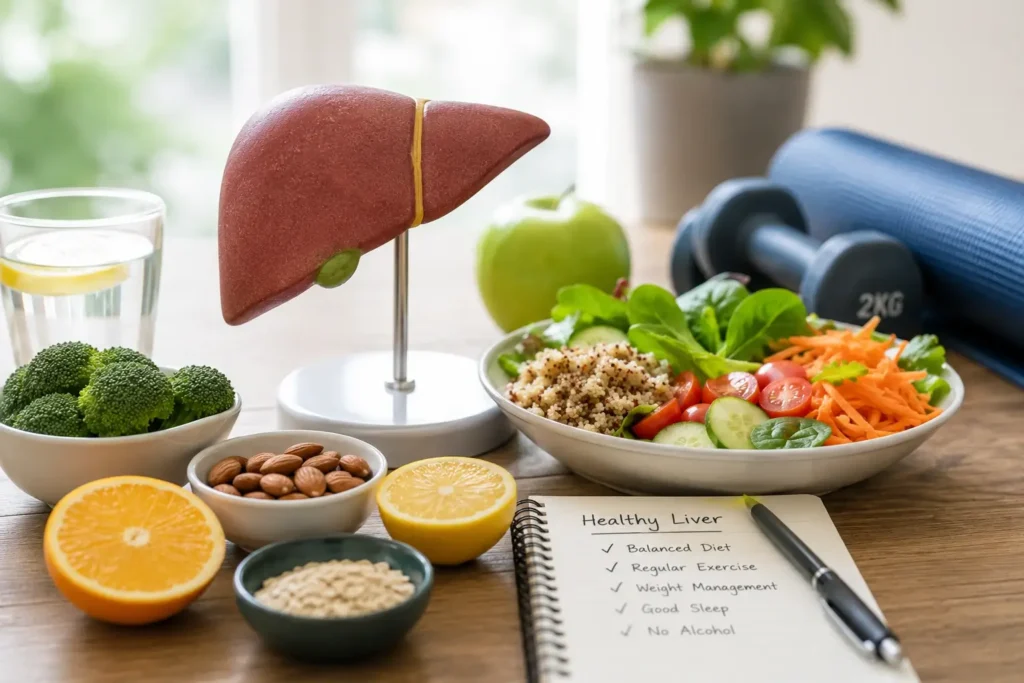
Fatty liver is becoming increasingly common in India, and many people discover they have it during a blood test. It is often linked to excess weight, type 2 diabetes, insulin resistance, high cholesterol and other metabolic health problems.
The positive news is that fatty liver can often be reversed, particularly if caught in the early stages. In individuals who are either overweight or obese, a weight loss of 5 -10% is usually beneficial for the liver fat, inflammatory process and even, in some cases, the fibrotic stage of the disease.
What Is Fatty Liver?
Excess fat accumulation in the liver is called fatty liver. The condition previously called non-alcoholic fatty liver disease (NAFLD) is known nowadays as metabolic dysfunction-associated steatotic liver disease (MASLD) when liver fat is detected and metabolic risk factors are present, while other causes of liver fat have been ruled out.
Some individuals experience liver fat but have no serious inflammation or damage, while others have developed metabolic dysfunction-associated steatohepatitis (MASH), which is characterised by liver inflammation. In some patients, this may ultimately lead to liver fibrosis and cirrhosis.
Having fatty liver does not predetermine the development of cirrhosis. The risk depends on the degree of liver damage and fibrosis, as well as one’s metabolic health.
Can Fatty Liver Be Reversed?
In many people, liver fat can be reduced with sustained lifestyle changes.
If you are overweight, weight loss is one of the most effective ways to improve fatty liver. Research shows that even modest weight loss can reduce liver fat, while greater weight loss is associated with greater improvements in liver inflammation and fibrosis.
There is no quick liver detox or crash diet that can replace these changes. What matters is finding an approach you can maintain over the long term.
MASLD can also occur in people with a normal body weight, particularly when metabolic risk factors are present.
How to Reduce Fatty Liver
1. Lose Excess Weight If You Need To
If you are overweight or have obesity, gradual weight loss can make a meaningful difference to liver health.
You don’t need to follow an extreme diet. A sustainable eating pattern that creates a modest calorie deficit is more useful than losing weight quickly and then regaining it.
A reasonable goal for many people is to work towards 5-10% weight loss, with the exact target depending on your starting weight and overall health.
2. Make Your Everyday Diet Healthier
There is no single food that “cleans” or cures the liver. What you eat regularly matters much more.
For an Indian diet, you don’t necessarily need to stop eating roti, rice or dal. Instead, focus on portions and the overall quality of your meals.
Try to include more:
- Vegetables and whole fruits
- Dal, beans and other pulses
- Whole grains and high-fibre foods
- Fish, eggs and other healthy protein sources
- Nuts and seeds in sensible portions
- Unsaturated fats in moderation
At the same time, cut back on:
- Sugary drinks and packaged fruit juices
- Mithai and other foods high in added sugar
- Refined carbohydrates
- Deep-fried foods
- Highly processed packaged foods
- Foods high in saturated fat
- Excess calories
A Mediterranean-style dietary pattern is commonly recommended because it can help reduce liver fat and improve overall metabolic health. The important thing is to adapt healthy eating principles to foods you can realistically eat and enjoy long term.
3. Get Regular Physical Activity
You don’t need to start with an intense gym routine.
Brisk walking, cycling, swimming and similar activities can all count. Aim for around 150 minutes of moderate physical activity each week, and increase gradually if you are currently inactive. A combination of aerobic and resistance exercise can be beneficial.
Exercise can help reduce liver fat even when there isn’t a large change on the weighing scale. It also helps with blood sugar, cholesterol, fitness and cardiovascular health.
4. Manage Diabetes, Cholesterol and Other Health Problems
Treating fatty liver isn’t only about the liver.
If you have diabetes, high cholesterol, high blood pressure or obesity, managing these conditions is an important part of protecting your liver and reducing your overall health risks.
Don’t stop or change prescribed medication on your own because you have fatty liver. Your doctor can decide which treatments are appropriate for your particular situation.
What Are the Symptoms of Fatty Liver?
Most people with fatty liver do not have noticeable symptoms, particularly in the earlier stages.
Some people may experience tiredness or vague discomfort in the upper right side of the abdomen. However, these symptoms can have many other causes and do not confirm a diagnosis of fatty liver.
How Is Fatty Liver Diagnosed?
Your doctor may use your medical history, physical examination, blood tests and imaging to assess fatty liver and your risk of liver damage.
Common tests include:
- Liver blood tests, including ALT and AST
Read More – LFT Explained in Simple language
- Ultrasound, which can detect liver fat
- FibroScan or other elastography, which can help assess liver stiffness and the likelihood of significant fibrosis
- Blood tests to look for diabetes and other metabolic risk factors
Note: Liver biopsy is generally considered only in selected situations when the diagnosis or severity of liver injury remains uncertain.
Can Fatty Liver Cause Cirrhosis?
Due to fatty liver, some people develop MASH and progressive liver fibrosis. If significant fibrosis continues to worsen, cirrhosis can eventually develop.
This is why it is useful to identify people who have a higher risk of advanced fibrosis rather than simply focusing on how much fat is seen on an ultrasound.
The earlier metabolic risk factors and liver disease are addressed, the more opportunity there is to reduce the risk of progression.
Read More – Liver cirrhosis
Key Takeaways
Fatty liver can often be improved, particularly when it is identified early. Maintaining a healthy weight, eating a balanced diet, staying physically active and managing conditions such as diabetes and high cholesterol can help reduce liver fat and lower the risk of progression. However, the extent of liver damage varies from person to person, and lifestyle changes do not replace medical evaluation.

 WhatsApp