
Pancreatitis Treatment in India: Acute and Chronic Pancreatitis
Pancreatitis is inflammation of the pancreas, an organ responsible for producing digestive enzymes and hormones such as insulin. When pancreatic enzymes become activated in the pancreas rather than in the intestine, they begin damaging pancreatic tissue, leading to inflammation.
Pancreatitis may occur suddenly as acute pancreatitis or develop gradually as chronic pancreatitis. While many patients recover completely from acute episodes, chronic pancreatitis can lead to permanent pancreatic damage, digestive problems and diabetes.
Key Facts About Pancreatitis
- Gallstones and alcohol are the most common causes of pancreatitis in India.
- Acute pancreatitis often resolves completely with timely treatment.
- Chronic pancreatitis causes permanent scarring of the pancreas.
- Severe pancreatitis can lead to infection, organ failure and life-threatening complications.
What Is Pancreatitis?
Pancreatitis is inflammation of the pancreas caused by premature activation of digestive enzymes within the pancreatic gland. It can occur suddenly as acute pancreatitis or develop gradually as chronic pancreatitis. Common causes include gallstones, alcohol use, high triglycerides, and certain autoimmune conditions.
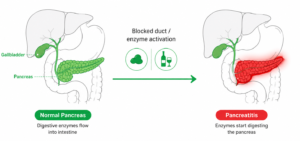
The pancreas plays a vital role in digestion and blood sugar regulation. It releases enzymes that help break down food and produces hormones that control glucose levels.
When inflammation develops, pancreatic tissue becomes damaged and swollen. Mild cases may resolve with supportive treatment, while severe cases can result in pancreatic necrosis, infection and organ dysfunction.
What Are the Symptoms of Pancreatitis?
The most common symptom of pancreatitis is severe upper abdominal pain that may spread to the back. Other symptoms include nausea, vomiting, fever, weight loss, oily stools and diabetes in chronic cases.
Symptoms of Acute Pancreatitis
- Sudden severe pain in the upper abdomen
- Pain radiating to the back
- Nausea and repeated vomiting
- Fever
- Rapid heart rate
- Abdominal tenderness
- Jaundice in some patients with gallstones
Symptoms of Chronic Pancreatitis
- Recurrent abdominal pain
- Persistent digestive discomfort
- Unexplained weight loss
- Oily or foul-smelling stools
- Bloating after meals
- Malnutrition
- New-onset diabetes
Patients with recurrent symptoms should seek specialist assessment because chronic pancreatitis may mimic other pancreatic conditions.
Reach Out for Expert Care
What Causes Pancreatitis?
Gallstones and alcohol are the leading causes of pancreatitis in India. Other causes include high triglyceride levels, certain medications, autoimmune disease, pancreatic duct abnormalities and abdominal trauma.
Common Causes
Gallstones
Gallstones may block the opening where the bile duct and pancreatic duct empty into the intestine. This blockage can trigger acute pancreatitis and is one of the most frequent causes of hospital admission for pancreatic inflammation.
Alcohol
Long-term alcohol consumption can damage pancreatic tissue and increase the risk of both acute and chronic pancreatitis.
Other Causes
- High triglyceride levels
- Autoimmune pancreatitis
- Certain medications
- Abdominal trauma
- Pancreas divisum and other duct abnormalities
- Complications following ERCP
- Genetic conditions
- Idiopathic pancreatitis, where no cause is identified despite evaluation
Identifying the underlying cause is important because treatment is often directed at preventing recurrence of pancreatic diseases.
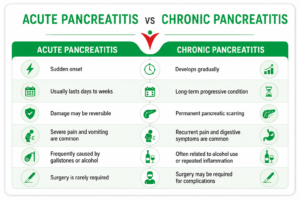
Acute vs Chronic Pancreatitis
Acute pancreatitis develops suddenly and is often reversible with treatment. Chronic pancreatitis causes permanent scarring of the pancreas and may lead to digestive problems, chronic pain and diabetes.
How Is Pancreatitis Diagnosed?
Diagnosis of pancreatitis is based on symptoms, blood tests and imaging studies. Elevated amylase and lipase levels, along with ultrasound, CT scan, MRI or endoscopic ultrasound, help determine disease severity.
Blood Tests
Important investigations include:
- Serum amylase
- Serum lipase
- Liver function tests
- Blood glucose levels
- Triglyceride levels
- Inflammatory markers
Imaging Studies
Ultrasound
Often the first imaging test performed to identify gallstones and bile duct abnormalities.
Contrast-Enhanced CT Scan
Provides detailed information about pancreatic inflammation, fluid collections and necrosis.
MRI and MRCP
Useful for evaluating the pancreatic and bile ducts in greater detail.
Endoscopic Ultrasound (EUS)
Can detect small stones, early tumours and subtle pancreatic changes that may not be visible on standard imaging.
Pancreatitis Treatment in India
Treatment depends on the type and severity of pancreatitis. Acute pancreatitis usually requires hospital-based supportive care, while chronic pancreatitis may require enzyme supplements, dietary modification, endoscopic procedures or surgery.
Acute Pancreatitis Treatment
Most patients with acute pancreatitis improve with conservative treatment.
Management may include:
- Intravenous fluids
- Pain control
- Nutritional support
- Monitoring for complications
- Treatment of the underlying cause
Patients with gallstone pancreatitis may require ERCP if a bile duct blockage is present. Gallbladder removal is usually recommended after recovery to prevent future attacks.
Severe acute pancreatitis may require intensive care, feeding support and management of complications such as infected necrosis, fluid collections and organ dysfunction.
Whenever possible, minimally invasive drainage techniques are preferred over open surgery.
Click here to Read More about Gastrointestinal Surgery
Chronic Pancreatitis Treatment
The goal of treatment is symptom control, management of nutrition and prevention of complications.
Treatment options may include:
- Pancreatic enzyme replacement therapy
- Low-fat dietary modification
- Complete avoidance of alcohol
- Pain management
- Vitamin supplementation
- Diabetes management when necessary
Regular follow-up is important because chronic pancreatitis can progressively affect pancreatic function.
Reach Out for Expert Care
When Is Surgery Needed for Pancreatitis?
Most patients with acute pancreatitis do not require surgery. Surgical treatment is considered for infected pancreatic necrosis, pancreatic duct obstruction, persistent pseudocysts, severe chronic pancreatitis or suspected pancreatic cancer.
Surgery or advanced endoscopic intervention may be recommended for:
- Infected pancreatic necrosis
- Persistent pancreatic pseudocysts
- Pancreatic duct obstruction
- Chronic pancreatitis with severe uncontrolled pain
- Suspicion of pancreatic cancer
- Pancreatic complications that do not respond to conservative treatment
Depending on the patient’s condition, minimally invasive laparoscopic or robotic approaches may be used to reduce recovery time and postoperative discomfort.
Recovery and Diet After Pancreatitis
A low-fat diet, adequate hydration and complete avoidance of alcohol are important for recovery after pancreatitis. Patients with chronic pancreatitis may also require pancreatic enzyme replacement therapy and nutritional supplementation.
Dietary Recommendations
- Eat smaller, more frequent meals
- Follow a low-fat diet
- Include adequate protein intake
- Drink sufficient fluids
- Avoid alcohol completely
- Limit fried and heavily processed foods
Patients with chronic pancreatitis may benefit from pancreatic enzyme supplements to improve digestion and nutrient absorption.
When Should You See a Pancreatitis Specialist?
You should consult a pancreatitis specialist if you experience recurrent attacks, persistent abdominal pain, unexplained weight loss, digestive problems, pancreatic cysts or complications affecting pancreatic function.
You should seek evaluation if you have:
- Repeated episodes of pancreatitis
- Persistent abdominal pain
- Unexplained weight loss
- Digestive symptoms despite treatment
- Pancreatic pseudocysts
- Pancreatic duct obstruction
- New-onset diabetes following pancreatitis
- Suspicion of chronic pancreatitis or pancreatic cancer
Why Trust Dr. Ankur Garg for Pancreatitis Treatment in India?
Dr. Ankur Garg one of the top HPB and gastrointestinal surgeons in India with more than 25 years of experience in the management of pancreatic diseases. He has performed 4,500+ liver transplants with a 95% success rate. His expertise includes acute pancreatitis, chronic pancreatitis, pancreatic pseudocysts, pancreatic duct obstruction and complex pancreatic surgery.
At Paras Hospital, Gurgaon, patients benefit from a multidisciplinary approach involving gastroenterologists, interventional endoscopists, radiologists, critical care specialists and pancreatic surgeons. This integrated model provides access to advanced diagnostics, ERCP, minimally invasive procedures, intensive care support and surgical treatment under one roof.
Every treatment plan is tailored to the patient’s condition, symptoms and long-term health goals, with a focus on preserving pancreatic function and improving quality of life.
Final Words
If you have been diagnosed with pancreatitis or are experiencing frequent abdominal pain, digestive problems, unexplained weight loss or symptoms of pancreatic disease, early specialist assessment can help prevent complications and guide appropriate treatment for pancreatitis.
Contact today to schedule your consultation with Dr Ankur Garg
Frequently Asked Questions
Can pancreatitis be cured completely? expand_more
Acute pancreatitis usually resolves fully with treatment, and the pancreas recovers. Chronic pancreatitis cannot be reversed as the scarring is permanent but symptoms can be controlled with the right management.
Is pancreatitis always caused by alcohol? expand_more
No. Gallstones are equally common as a cause in India. High triglycerides, medications, and autoimmune conditions also cause pancreatitis.
How long does pancreatitis take to heal? expand_more
Mild acute pancreatitis settles in 5-7 days. Severe pancreatitis with necrosis may take weeks to months of hospital and follow-up care
When does pancreatitis need surgery? expand_more
Chronic pancreatitis needs surgery when there is duct obstruction, a large pseudocyst, or suspicion of cancer.

Dr. Ankur Garg's Medical Content Team
Dr. Ankur Garg’s medical content team specialises in creating accurate, clear, and patient-focused healthcare content. With strong clinical understanding and expertise in technical writing and SEO, the team translates complex medical information into reliable, accessible resources that support informed decisions and uphold Dr. Ankur Garg’s commitment to quality care.

 WhatsApp