
Foods to Eat and Avoid After Liver Transplant Surgery: A Complete Diet Guide
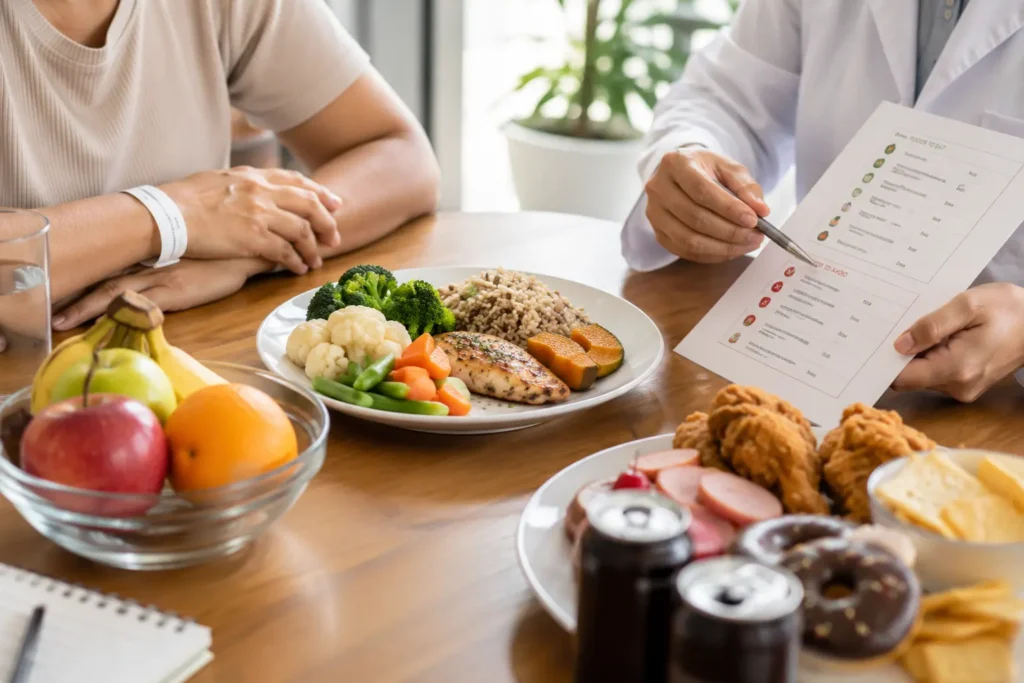
A liver transplant is a life-saving procedure that can offer a fresh start to people with end-stage liver disease and liver failure. However, the surgery is only one part of the journey. The weeks and months that follow are equally important, and your diet plays a major role in protecting your new liver, supporting healing, and preventing complications.
Unlike a regular healthy diet, a post-liver transplant diet is designed around the body’s changing nutritional needs. Immunosuppressant medicines, which prevent organ rejection, also weaken the immune system and can affect blood sugar, cholesterol, blood pressure, and kidney function. At the same time, your body requires additional nutrients to heal the surgical wound, rebuild lost muscle, and regain strength.
Knowing the foods to eat after liver transplant surgery and the foods to avoid after liver transplant can help you recover safely and protect your transplanted liver for years to come.
What Should You Eat After a Liver Transplant?
A healthy liver transplant diet should focus on nutrient-rich, freshly prepared foods that promote healing while reducing the risk of infection.
Include more of:
- Lean protein such as eggs, fish, chicken, dal, tofu, and paneer
- Fresh fruits and well-washed or cooked vegetables
- Whole grains like oats, brown rice, whole wheat, and millets
- Healthy fats from nuts, seeds, and plant-based oils
- Plenty of water and other healthy fluids
Avoid or limit:
- Alcohol
- Grapefruit and grapefruit juice
- Raw or undercooked meat, seafood, and eggs
- Unpasteurised milk and dairy products
- High-salt processed foods
- Sugary drinks and sweets
- Herbal supplements without medical approval
These recommendations form the foundation of a healthy diet after liver transplant surgery, but individual dietary needs may vary depending on your medications, kidney function, diabetes, and overall recovery.
Request a Consultation
Why Diet Matters After a Liver Transplant?
Many people believe that once the transplant surgery is over, the hardest part is behind them. In reality, the recovery period is when your body works hardest to accept the new liver and regain normal function.
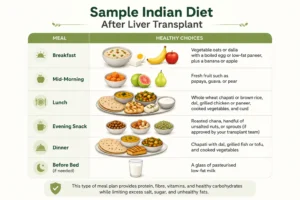
Many patients also experience significant muscle loss before surgery due to chronic liver disease. A balanced liver transplant recovery diet helps:
- Support wound healing
- Rebuild muscle mass
- Maintain healthy liver function
- Strengthen immunity
- Protect kidney function
- Reduce the risk of infections
- Maintain healthy body weight
- Lower the risk of diabetes and heart disease
Unlike a diet for liver cirrhosis, which may involve certain protein restrictions depending on the stage of disease, a diet after liver transplant usually encourages adequate protein intake to support healing.
If you’re preparing for transplant surgery rather than recovering from it, our guide on Diet for Liver Cirrhosis explains nutritional recommendations before transplantation.
Foods to Eat After Liver Transplant Surgery
1. Protein-Rich Foods
Protein is one of the most important nutrients during recovery. It helps repair tissues, heal the surgical incision, rebuild muscle, and maintain a healthy immune response.
Good protein sources include:
- Eggs
- Fish
- Skinless chicken
- Dal and lentils
- Rajma and chickpeas
- Paneer
- Tofu
- Low-fat curd
- Milk (pasteurised)
Rather than eating most of your protein at dinner, try including a protein source with every meal. This allows your body to utilise it more efficiently throughout the day.
2. Fresh Fruits
Fruits provide vitamins, minerals, antioxidants, fibre, and natural hydration that support recovery and overall health.
Some of the best fruits after liver transplant include:
- Apples
- Bananas
- Oranges
- Sweet lime
- Papaya
- Pears
- Guava
- Berries
- Pomegranate
During the first few months after surgery, wash fruits thoroughly under running water. Whenever possible, peel fruits before eating to reduce the risk of bacterial contamination.
One important exception is grapefruit, which should be completely avoided because it interferes with anti-rejection medications.
3. Vegetables
Vegetables provide essential nutrients while supporting digestion and overall health.
Good choices include:
- Spinach
- Bottle gourd
- Carrots
- Pumpkin
- Beans
- Broccoli
- Cauliflower
- Bell peppers
- Cucumber (well washed)
- Beetroot
In the early recovery period, many transplant centres recommend eating cooked vegetables instead of raw salads because cooking reduces the risk of food-borne infections.
As your immune system stabilises and your transplant team approves, you can gradually reintroduce properly washed raw vegetables if appropriate.
4. Whole Grains and Healthy Carbohydrates
Carbohydrates provide the energy your body needs for healing.
Choose complex carbohydrates such as:
- Brown rice
- Whole wheat chapati
- Oats
- Dalia
- Millets
- Quinoa
- Whole grain bread
These foods release energy slowly and help maintain stable blood sugar levels, which is especially important because steroid medicines used after transplantation may temporarily increase blood glucose.
For patients wondering “Can I eat rice after liver transplant?”-yes. Rice can be included as part of a balanced diet, although brown rice or other whole grains generally provide more fibre and nutrients than refined white rice.
5. Healthy Fats
Healthy fats support heart health and help your body absorb important vitamins.
Good sources include:
- Almonds
- Walnuts
- Flaxseeds
- Chia seeds
- Olive oil
- Groundnut oil
- Mustard oil
- Sunflower oil
As immunosuppressant medicines can increase cholesterol levels, saturated fats such as butter, ghee, processed meats, and fried foods should be eaten in moderation.
6. Adequate Fluids
Hydration is an important part of liver transplant nutrition.
Drinking enough water helps:
- Maintain kidney function
- Support digestion
- Prevent dehydration
- Improve recovery
- Replace fluid losses
Water should be your primary beverage. Coconut water, soups, and fresh homemade beverages may also be appropriate if approved by your healthcare team.
Limit sugary soft drinks and energy drinks, which add unnecessary calories and sugar.
Foods to Avoid After Liver Transplant Surgery
While a balanced diet supports recovery, certain foods can interfere with your medications, increase the risk of infection, or place unnecessary stress on your transplanted liver. Knowing the foods to avoid after liver transplant surgery is just as important as knowing what to eat.
1. Alcohol
Alcohol should be avoided completely after a liver transplant. Even small amounts can damage the new liver, interfere with medications, and increase the risk of long-term liver disease. If your transplant was performed due to alcohol-related liver disease, lifelong abstinence is essential.
2. Grapefruit and Grapefruit Juice
Grapefruit is one of the few foods that can significantly affect anti-rejection medicines such as tacrolimus and cyclosporine. It can increase drug levels in the blood, leading to serious side effects, including kidney damage and toxicity.
Unless your transplant team specifically advises otherwise, avoid grapefruit and grapefruit juice completely.
3. Raw or Undercooked Foods
Because immunosuppressant medicines reduce your body’s ability to fight infections, avoid:
- Raw or undercooked meat
- Sushi and raw seafood
- Half-boiled or raw eggs
- Raw shellfish
- Unpasteurised milk and dairy products
These foods may carry harmful bacteria or parasites that can cause severe infections.
4. High-Sodium Foods
Many transplant recipients develop high blood pressure due to immunosuppressant medicines. Excess sodium can also lead to fluid retention and swelling.
Limit foods such as:
- Pickles
- Papads
- Instant noodles
- Chips and packaged snacks
- Processed meats
- Canned soups
- Frozen ready-to-eat meals
- Fast food
Preparing fresh meals at home allows you to better control your salt intake.
5. Sugary Foods and Drinks
Steroids used after transplantation may temporarily increase blood sugar levels, and some patients develop post-transplant diabetes.
Limit:
- Soft drinks
- Packaged fruit juices
- Cakes and pastries
- Sweets
- Ice cream
- Chocolates
- Excess sugar in tea or coffee
Instead, satisfy sweet cravings with whole fruits in moderation.
6. Herbal Supplements and Unregulated Products
Many people assume herbal products are naturally safe, but several herbal supplements can interact with anti-rejection medicines or directly harm the liver.
Do not take herbal remedies, protein supplements, weight-loss products, or Ayurvedic medicines without discussing them with your transplant team first.
Common Mistakes to Avoid During Recovery
Recovery after a liver transplant isn’t only about avoiding unhealthy foods. Some everyday habits can also slow healing or increase the risk of complications.
Common mistakes include:
- Skipping meals or eating irregularly
- Eating too much processed or packaged food
- Not drinking enough water
- Following fad or crash diets
- Taking over-the-counter supplements without medical advice
- Eating outside food too frequently during the first few months
- Ignoring weight gain caused by steroids
- Missing follow-up appointments with your transplant team
Small, consistent lifestyle changes are more effective than extreme dietary restrictions.
Final Thoughts
A successful liver transplant doesn’t end in the operating room it continues with the choices you make every day. Following a balanced liver transplant diet, eating freshly prepared nutritious meals, practising good food hygiene, and avoiding foods that interfere with your medications all help protect your new liver and support long-term health.
Remember that every recovery journey is different. Always follow the advice of your transplant surgeon and dietitian before making significant dietary changes, especially if you have diabetes, kidney disease, or other medical conditions.
Disclaimer:This article is for educational purposes only and does not replace professional medical advice. Every patient’s dietary needs after a liver transplant vary based on individual health conditions, medications, and recovery progress. Please consult your transplant team or a registered dietitian before making any changes to your diet.

 WhatsApp