
SGOT and SGPT Test: Full Form, Normal Range and What High Levels Mean
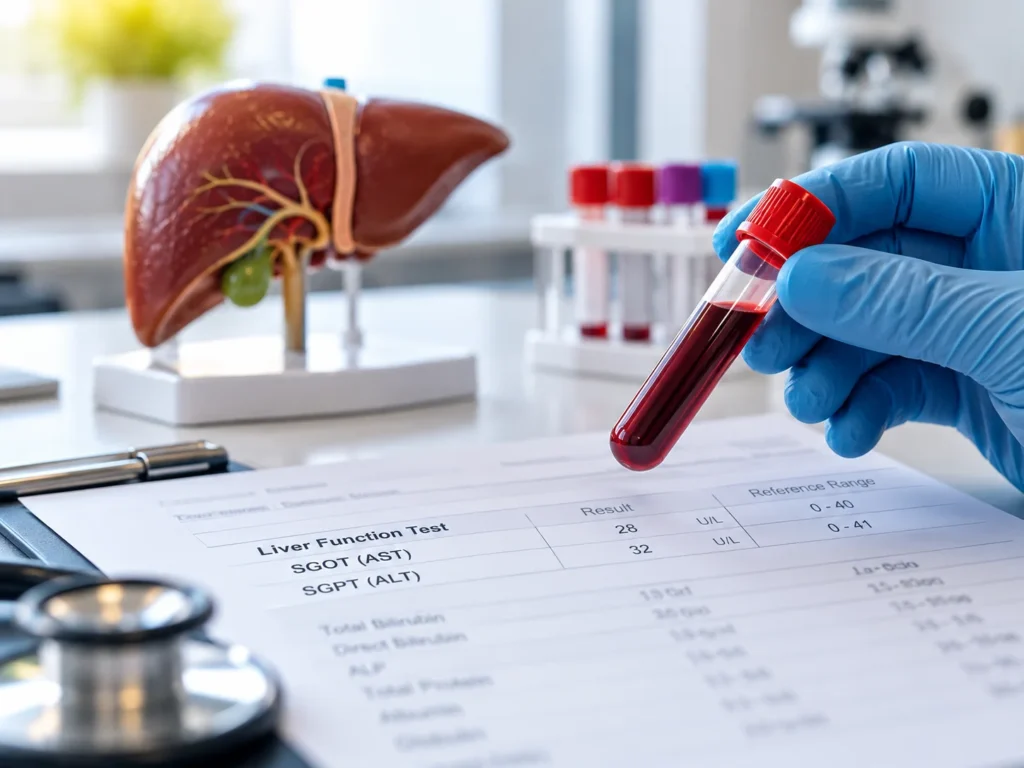
You may have come across the terms SGOT and SGPT while going through a blood test report. If either number is higher than the range mentioned on the report, the first thought is often: Is something wrong with my liver?
Not necessarily.
SGOT and SGPT are enzymes that doctors use to get an idea of what is happening in the liver and, in some cases, other parts of the body. A high result can happen for several reasons, and one blood test on its own cannot tell you exactly what is wrong.
Let’s look at what these tests mean, what their normal ranges are, and when high levels need attention.
What Are SGOT and SGPT?
SGOT stands for Serum Glutamic-Oxaloacetic Transaminase. You may also see it written as AST (Aspartate Aminotransferase) on newer laboratory reports.
SGPT stands for Serum Glutamic-Pyruvic Transaminase and is also known as ALT (Alanine Aminotransferase).
Both are enzymes found inside cells. When certain cells are injured or inflamed, these enzymes can enter the bloodstream, which may cause their levels to rise on a blood test.
SGPT or ALT is found in higher amounts in the liver, so it is particularly useful when doctors are looking for possible liver injury. SGOT or AST is also present in muscles, the heart and other tissues. This is why a high SGOT result does not always point to a liver problem.
What Is the Normal Range of SGOT and SGPT?
There isn’t one universal number that applies to everyone. Laboratories can use different testing methods and reference ranges.
As a general guide, some laboratories use ranges around:
| Test | Also Known As | Common Reference Range* |
| SGOT | AST | Around 8-33 U/L |
| SGPT | ALT | Around 4-36 U/L |
*The reference range can differ from one laboratory to another. Always check the range printed next to your result.
So, if your SGPT is slightly above the laboratory’s range, don’t assume that you have a serious liver condition.
What Does High SGOT or SGPT Mean?
When SGOT or SGPT is elevated, it usually means that cells containing these enzymes have been irritated, injured or inflamed.
There are many possible reasons for this.
Some common ones include:
- Fatty liver disease
- Hepatitis B or hepatitis C
- Alcohol-related liver injury
- Certain medicines
- Some herbal or dietary supplements
- Liver infections or inflammation
- Cirrhosis and other liver conditions
SGOT can also rise after muscle injury or very intense exercise, because AST is present in muscle tissue too.
This is why it isn’t helpful to look at a single SGOT or SGPT number and try to diagnose yourself from it.
What If Both SGOT and SGPT Are High?
When both enzymes are elevated, doctors usually look at the overall picture rather than focusing on one number.
Other blood tests can provide useful information about the liver, including bilirubin, ALP, GGT, albumin and other markers. Your doctor may also ask about alcohol consumption, medicines, supplements, weight, diabetes and any previous liver problems.
For example, fatty liver is a common reason for mildly raised liver enzymes. Hepatitis and other liver conditions can cause different patterns of changes in these tests.
The amount by which SGOT and SGPT are raised can also matter, but there is no single number that can tell you how serious a liver condition is.
Is High SGOT or SGPT Always a Sign of Liver Damage?
No.
A temporary increase can happen for reasons that have nothing to do with permanent liver damage. Strenuous exercise, certain medicines, alcohol and some infections can affect enzyme levels.
On the other hand, repeatedly abnormal results shouldn’t be ignored either. Some liver conditions cause few or no noticeable symptoms in their early stages.
Another important point is that SGOT and SGPT measure enzyme levels, not the liver’s overall function. That’s why doctors mays may order other tests when they are investigating a possible liver problem.
What Symptoms Should You Look Out For?
Sometimes, high SGOT or SGPT is discovered during a routine health check when the person feels completely well.
When liver disease does cause symptoms, they can include:
- Unusual or persistent tiredness
- Poor appetite
- Nausea
- Discomfort in the upper right side of the abdomen
- Yellowing of the eyes or skin
- Dark urine
- Pale-coloured stools
- Itching
- Swelling in the abdomen or legs
Having one of these symptoms does not automatically mean you have liver disease. But persistent or unexplained symptoms are a good reason to speak with a doctor.
What Should You Do If Your SGOT or SGPT Is High?
The first step is simple: don’t panic over one abnormal number.
Take the report to your doctor and look at the result in context. They may ask about your symptoms, medications, alcohol intake, recent exercise and existing health conditions.
Depending on what they find, you may need another liver blood test, hepatitis screening or an imaging test such as an ultrasound. Sometimes the doctor may simply recommend repeating the test after a period of time.
If the enzymes continue to remain high, finding the reason for the elevation becomes important.
If fatty liver is involved, for example, your doctor may recommend changes to your diet, weight, physical activity and other lifestyle factors. If a medicine is contributing to the result, your doctor may review your medications. The right approach depends on what’s causing the elevation.
When Should You See a Liver Specialist?
A single mildly high result doesn’t always require a specialist. However, it is worth getting expert advice if your SGOT or SGPT stays high, several liver tests are abnormal, or you have symptoms such as jaundice or abdominal swelling.
You should also discuss your results with a doctor if you already have fatty liver, hepatitis, cirrhosis or another known liver condition.
Final Thoughts
SGOT and SGPT are useful indicators that can help doctors identify possible liver injury, but an abnormal result doesn’t tell the whole story. Levels can rise for several reasons, from fatty liver and infections to certain medicines or strenuous exercise.
If your SGOT or SGPT is higher than the normal range, don’t rely on the number alone or assume the worst. Look at the result alongside your other liver tests, symptoms and medical history. If the levels remain elevated, getting the right medical advice can help identify the cause early and guide appropriate treatment.

 WhatsApp