
Is Hepatitis B Curable? What Patients in India Need to Know (2026)
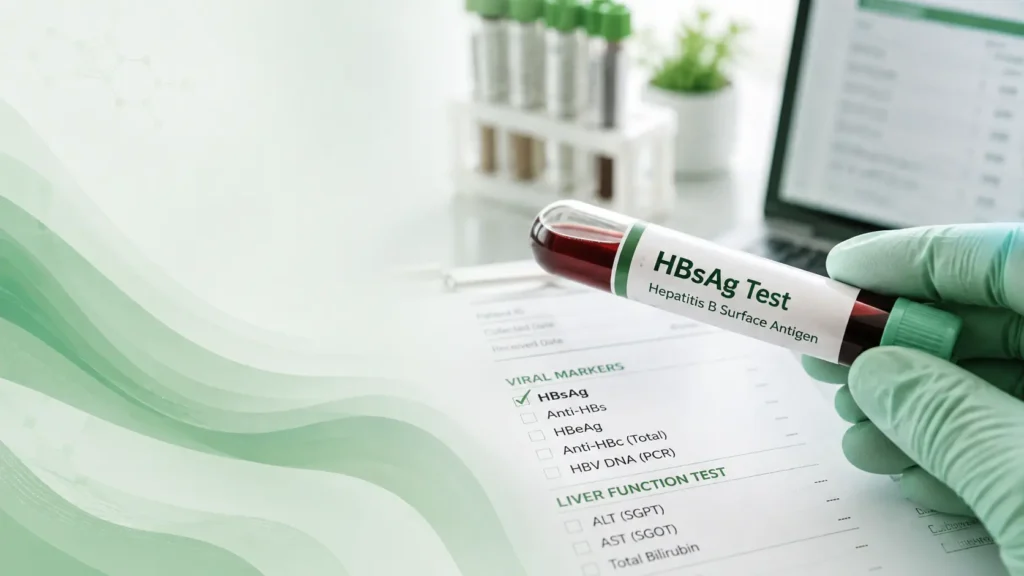
Quick Facts
- Acute hepatitis B (a new infection) clears on its own in ~95% of adults. No treatment needed in most cases.
- Chronic hepatitis B (infection lasting more than 6 months) has no complete cure yet – but it is highly manageable. Antiviral medications suppress the virus, protect the liver, and let most patients live a normal life.
- A 2026 clinical trial showed an experimental drug “functionally cured” 19% of chronic patients – the most promising breakthrough in decades.
What Is Hepatitis B?
Hepatitis B is a viral infection that attacks the liver. It is caused by the hepatitis B virus (HBV) and spreads through blood, sexual contact, and from mother to child at birth – not through food, water, hugging, or sharing meals.
It is one of the most common liver infections in the world. India alone has an estimated 40 million people living with chronic hepatitis B – most of them unaware.
Acute vs Chronic Hepatitis B – The Difference
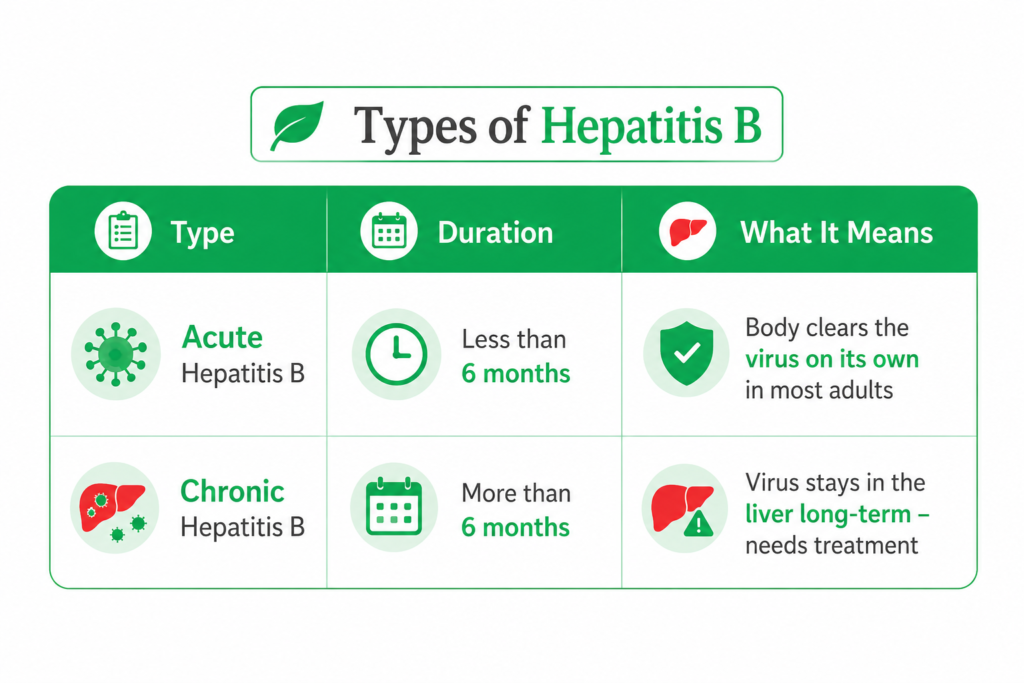
Not all hepatitis B infections are the same. The most important distinction is whether the infection is acute (short-term) or chronic (long-term).
Is Hepatitis B Curable?
- Acute Hepatitis B
Yes – acute hepatitis B resolves on its own in the vast majority of adults.
If you were recently exposed and your infection is less than 6 months old, your immune system will most likely clear the virus completely.
Once cleared, you develop lifelong immunity.
Chronic Hepatitis B
No – there is currently no complete cure for chronic hepatitis B.
But “no cure” does not mean “no treatment.” Antiviral medications can:
- Suppress the virus to undetectable levels in the blood
- Prevent liver damage from progressing to cirrhosis ( Click Here to Read More about Liver Cirrhosis Treatment in Gurgaon)
- Reduce the risk of liver cancer (hepatocellular carcinoma) ( Click Here to Read More about Liver Cancer Treatment in India)
The goal of treatment is control. Think of it like managing high blood pressure or diabetes: you take medication, monitor regularly, and live well.
What Is a “Functional Cure for Hepatitis”?
A functional cure means the virus is suppressed to the point where it can no longer cause harm – even if it is not completely eliminated from the body.
The medical marker for this is HBsAg loss (hepatitis B surface antigen becoming undetectable). When HBsAg clears, the virus is considered under long-term control.
In 2026, a landmark study published in Science reported that a 6-month regimen of an experimental drug (bepirovirsen, developed by GSK) added to standard antiviral therapy achieved a functional cure in approximately 19% of chronic hepatitis B patients. This is a significant breakthrough in hepatitis B research in years, and clinical trials are ongoing.
While this drug is not yet available, it signals that a true functional cure for chronic hepatitis B may be within reach within this decade.
HBsAg Positive – What Does It Mean and Can It Become Negative?
In case you are wondering – What Does HBsAg Positive Mean? – HBsAg (Hepatitis B Surface Antigen) is a protein on the surface of the hepatitis B virus. When your blood test shows HBsAg positive, it means the virus is present in your body.
Many patients ask: “Can HBsAg become negative?”
Yes – it can, but it depends on the situation:
- In acute hepatitis B, HBsAg typically clears within 1–3 months as the immune system fights off the infection.
- In chronic hepatitis B, spontaneous HBsAg clearance happens in only about 1–3% of patients per year without treatment.
- With antiviral therapy, HBsAg clearance rates improve over time – and with newer experimental drugs, rates of 19% have been reported in trials.
HBsAg becoming negative is the closest thing to a cure currently available.
Hepatitis B Treatment Options in India
India has some of the world’s most experienced hepatologists and liver transplant specialists – and treatment costs are a fraction of what they are in the US or UK. This is why thousands of international patients travel to India for hepatitis B management every year.
Read in Detail – Hepatitis B Treatment in India
How Is Hepatitis B Transmitted? (And What Doesn’t Spread It)
Hepatitis B spreads through:
- Blood-to-blood contact – sharing needles, syringes, or unsterilised medical/dental equipment
- Sexual contact with an infected person (unprotected)
- Mother to child during childbirth (vertical transmission)
- Sharing personal items that may have blood on them
Hepatitis B does NOT spread through:
- Sharing food or water
- Hugging, shaking hands, or casual contact
- Coughing or sneezing
- Using the same toilet or swimming pool
Hepatitis B is 50–100 times more infectious than HIV – but it is also far more preventable, thanks to an effective vaccine.
Can Hepatitis B Be Prevented?
Yes – hepatitis B is one of the most preventable viral infections.
The hepatitis B vaccine is safe, highly effective (95%+ protection), and available across India. It is given as a 3-dose series.
Who should be vaccinated:
- All newborns (first dose within 24 hours of birth – part of India’s national immunisation schedule)
- Unvaccinated children and adults
- Healthcare workers
- People with multiple sexual partners
- Household contacts of someone with hepatitis B
- International travellers to high-prevalence regions
If you are HBsAg negative and have not been vaccinated – get vaccinated today. It is the single most effective step you can take.
Living With Hepatitis B: What a Normal Life Looks Like
A hepatitis B diagnosis changes your routine, but it does not have to change your life.
People often wonder – Can You Live a Normal Life With Hepatitis B? With the right treatment and monitoring, the vast majority of people with chronic hepatitis B can live a normal lifespan.
What you should do:
- Follow your hepatologist’s or liver specialist’s recommended schedule for regular blood tests and liver monitoring.
- Take your antiviral medication as prescribed – do not stop without medical advice
- Avoid alcohol – it accelerates liver damage significantly
- Eat a balanced diet; maintain a healthy weight
What you do not need to do:
- Isolate yourself from family or friends
- Avoid physical contact, shared meals, or social activities
- Feel ashamed – hepatitis B is a medical condition, not a moral failing
Final Thoughts
A hepatitis B diagnosis isn’t the end of the road. With early diagnosis, regular monitoring, and the right treatment, most people with chronic hepatitis B can live healthy, normal lives. If you’ve tested HBsAg positive, consult a liver specialist to understand the next steps.

 WhatsApp