
Liver Transplant in India
Advanced Liver transplant care by Dr. Ankur Garg and team across Paras Health centres in Gurugram, Panchkula and Patna

Book a Consultation
Share your concerns
Liver Transplant Care Across India
Liver transplant in India is available through Dr. Ankur Garg's transplant programme at Paras Health, with centres in Gurugram, Panchkula, and Patna serving patients from across North India and beyond.
Dr. Ankur Garg, Group Director of Liver Transplant & HPB Surgery, brings over 25 years of experience and has performed 4,500+ liver transplants and complex hepatobiliary procedures. His team manages both living donor and deceased donor transplants, along with complex cases such as pediatric transplants and ABO-incompatible transplants.
This page is a starting point. Use it to find the centre nearest you, understand who this team treats, and get answers to common questions before your consultation.
Find Your Nearest Centre For Liver Transplant
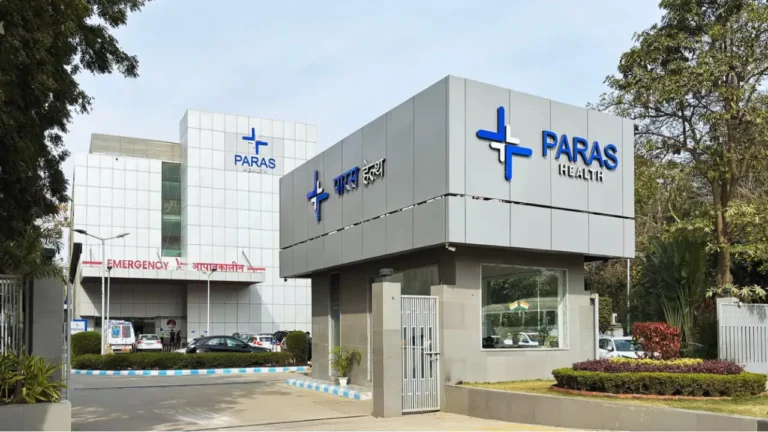
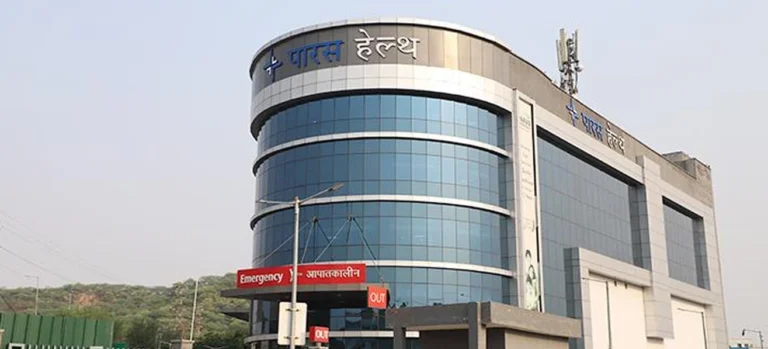
Each centre offers the same transplant programme, led by the same core team, so you can choose based on location and convenience.

Expertise you can Trust
Our Liver Transplant Programme, By the Numbers
Conditions That May Require a Liver Transplant
A liver transplant may be recommended for severe liver diseases that cannot be managed with medication or surgery alone
Liver Cancer
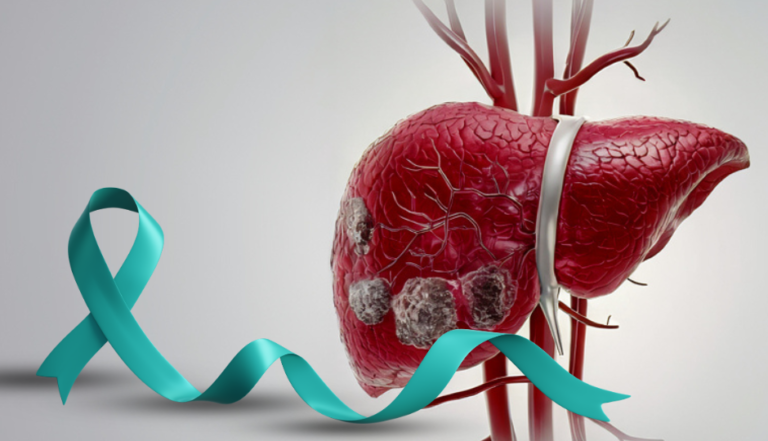
Liver cancer is a disease in which abnormal cells grow uncontrollably in the liver, forming a malignant tumour. Early diagnosis and timely treatment can improve outcomes and may include surgery, liver transplantation, or other targeted therapies.
Liver Diseases
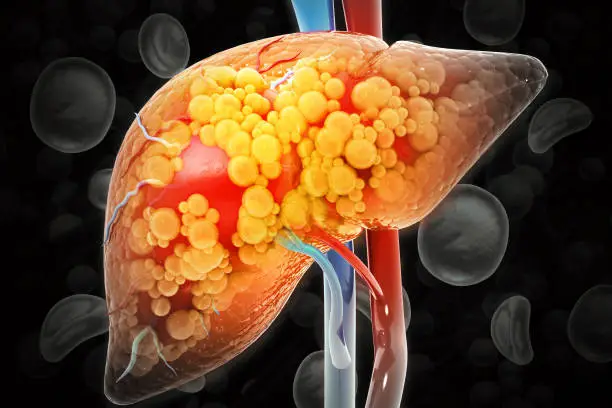
Liver Cirrhosis
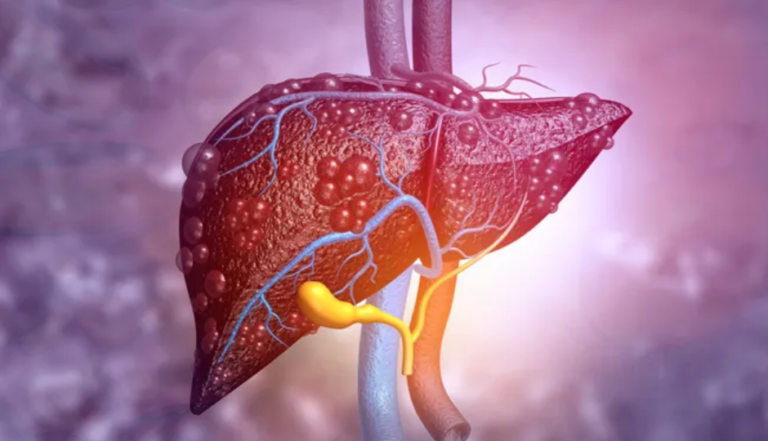
Liver cirrhosis is a condition in which long-term liver damage causes healthy liver tissue to be replaced by scar tissue. This scarring reduces the liver's ability to function properly and may eventually lead to liver failure.
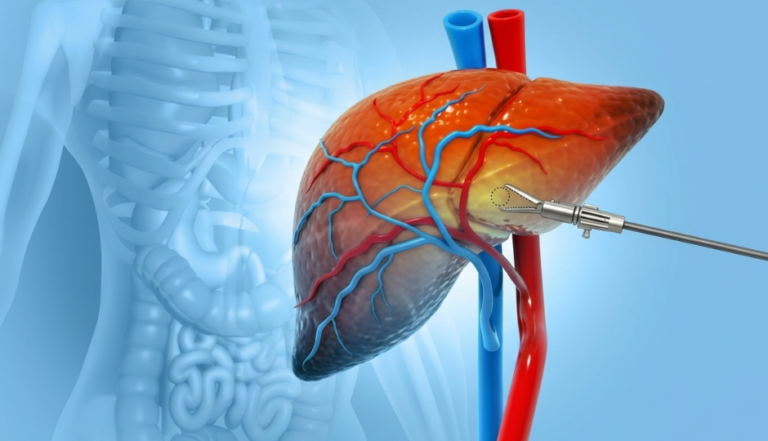
Acute Liver Failure
Acute liver failure is a rapid loss of liver function that develops within days or weeks, often in people without pre-existing liver disease. It can result from severe infections, drug toxicity or viral hepatitis.
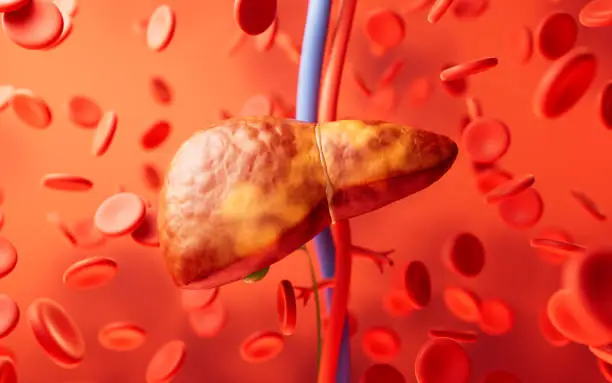
Fatty Liver Diseases
Fatty liver disease is a condition in which excess fat builds up in the liver, affecting its normal function. It is commonly linked to obesity, diabetes, high cholesterol, or excessive alcohol use.

End Stage Liver Diseases
End-stage liver disease (ESLD) is the most advanced stage of chronic liver disease, where the liver can no longer perform its vital functions. It often develops after years of progressive liver damage from cirrhosis or chronic hepatitis.
Who is eligible for a liver transplant?
A liver transplant is considered when liver disease is advanced, has not responded to other treatment, and the patient is fit enough for major surgery and lifelong follow-up. A transplant team decides eligibility after a full evaluation, not from a single test or score.
Conditions that may need a transplant: Evaluation is usually advised for cirrhosis with complications such as fluid build-up in the abdomen (ascites), bleeding from swollen veins in the food pipe, confusion caused by toxin build-up (hepatic encephalopathy) or persistent jaundice. It is also advised for acute liver failure, which is a sudden and severe loss of liver function often caused by infection, drug toxicity or viral hepatitis. Selected liver cancers that fall within accepted transplant criteria, such as Milan or UCSF, and metabolic or genetic liver diseases may also qualify. In children, conditions such as biliary atresia are a common reason.
What the evaluation checks: Before a transplant is planned, the team reviews how well the liver is working through blood tests and the MELD score, and studies the liver and its blood vessels on CT or MRI. It also checks heart, lung and kidney health to confirm the body can withstand surgery, screens for infection, and looks at other conditions such as diabetes. Nutrition, mental health and family support are assessed because recovery and lifelong medicines depend on them. In living donor transplants, the donor has a separate and thorough health check.
How the MELD score helps: The MELD score (Model for End-Stage Liver Disease) is a number from 6 to 40, calculated from three blood tests: bilirubin, creatinine and INR. A higher score means the liver is struggling more and the need for transplant is more urgent. It is one tool among several, and symptoms such as recurrent ascites or bleeding carry weight even when the score looks moderate. You can read more in our guide to understanding your MELD score.
Why Patients Trust us?
A high transplant volume and structured post-operative care are the two factors that most affect long-term survival.
4,500+ liver transplants and HPB procedures performed
25+ years of transplant and HPB surgical experience
Dedicated transplant ICU and multidisciplinary care team at each centre

Liver Transplant Cost in India
Understanding the cost of liver transplantation can help you plan your treatment with confidence
Cost is one of the first questions most families ask, and it's a fair one. Liver transplant in India is significantly more affordable than in the US, UK, or most Western countries, without a compromise on surgical outcomes or post-transplant care.
The final cost depends on the
- Type of transplant
- ICU and hospital stay duration
- Pre-transplant tests and donor workup
- Post-transplant medication and follow-up
For a full breakdown of what's included in a transplant package, along with country-wise cost comparisons, see our detailed liver transplant cost guide.
Frequently Asked Questions
Is liver transplant in India safe for international patients? expand_more
Yes. Indian transplant centres, including Paras Health, follow internationally recognised protocols, and international patient teams assist with travel, documentation, and coordination.
How can I book a consultation for a liver transplant? expand_more
You can book a consultation by calling us, sending a WhatsApp message, or filling out the contact form on this page. Our team will guide you on the next steps, including document requirements and appointment scheduling.
Is liver transplant surgery covered by insurance in India? expand_more
Coverage varies by insurer and policy. Our team can help you understand documentation needed for insurance claims, though final approval depends on your insurance provider.
How do I choose between a living donor and a deceased donor transplant? expand_more
The choice depends on donor availability, how urgent the illness is and medical evaluation. A living donor allows planned surgery, while a deceased donor liver depends on allocation through the official network. Your transplant team will advise based on your case.
Who can donate a liver in India? expand_more
A healthy adult relative who meets legal and medical criteria can donate part of their liver. India's organ law limits living donation to near relatives, with approval processes for others.