
Hepatitis C Treatment in India
Hepatitis C is one of the major causes of chronic liver disease in India. Most people carry the HCV infection for years without symptoms, often finding out only when a routine blood test reveals abnormal liver enzymes.
The important thing to know, as per the WHO, Hepatitis C is now curable. With direct-acting antiviral (DAA) therapy, over 95% of patients achieve a complete cure. The danger lies in leaving it untreated, which over time leads to liver fibrosis, liver cirrhosis, and in some cases, liver cancer.
This page covers what Hepatitis C does to the liver, how it is diagnosed, what Hepatitis C virus treatment options are available in India, the expected cure rate, treatment cost, and when a liver transplant becomes necessary.
What Is Hepatitis C?
Hepatitis C is a viral liver infection caused by the Hepatitis C Virus (HCV). The virus primarily attacks liver cells, triggering inflammation that, if left untreated over years, causes progressive scarring of the liver.
Unlike Hepatitis B, there is no vaccine for Hepatitis C. However, unlike Hepatitis B, it can be completely cured with antiviral medication in the vast majority of patients.
There are two forms of HCV infection:
- Acute Hepatitis C: Lasts less than 6 months. In about 15-25% of cases, the immune system clears the infection on its own. In the majority, it progresses to chronic infection.
- Chronic Hepatitis C: Lasts more than 6 months. This is the stage where most patients are diagnosed, often after years of silent infection. Chronic HCV infection is the leading cause of liver transplantation in many countries.
Hepatitis C has six major genotypes (1-6), and genotype testing is an important step before starting antiviral treatment in India.
Causes and Risk Factors of Hepatitis C
Hepatitis C spreads through direct contact with infected blood. It does not spread through food, water, hugging, or casual contact.
The most common routes of HCV transmission include:
- Sharing needles, syringes, or drug injection equipment
- Use of unsterilised medical instruments
- Needlestick injuries in healthcare workers
- Sharing personal items such as razors or nail clippers with an infected person
- Unprotected sexual contact (less common, but possible)
- Mother-to-child transmission during childbirth (less than 5% risk)
Tattoos or piercings done in unsterile conditions also carry a risk. In India, a significant number of chronic Hepatitis C cases are linked to past blood transfusions and unsterilised medical procedures.
Reach Out for Expert Care
Symptoms of Hepatitis C
Hepatitis C is often called a silent infection because most patients do not develop noticeable symptoms until the liver is damaged.
Early symptoms, when present, may include:
- Fatigue and generalised weakness
- Mild nausea or loss of appetite
- Discomfort in the upper right abdomen
- Low-grade fever
Symptoms in advanced or chronic HCV infection:
- Jaundice (yellowing of the skin and eyes)
- Dark-coloured urine
- Pale or clay-coloured stools
- Significant weight loss
- Abdominal swelling due to fluid accumulation (ascites)
- Swollen legs or ankles
- Easy bruising or unexplained bleeding
- Confusion or difficulty concentrating (a sign of hepatic encephalopathy)
If you or a family member has any of the above symptoms, an early consultation with a liver specialist is strongly recommended. Early diagnosis makes hepatitis C treatment in India more achievable.
Diagnosis of Hepatitis C
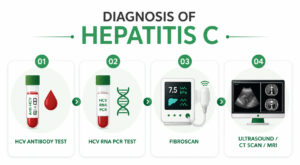
Hepatitis C diagnosis involves a structured sequence of blood tests and imaging. Under Dr. Ankur Garg’s team at Paras Health, Gurugram, the diagnostic evaluation typically includes:
Blood Tests
- Anti-HCV Antibody Test: A positive result confirms exposure to the virus but does not confirm active infection.
- HCV RNA Test (PCR): Confirms whether the virus is currently active in the body.
- HCV Genotype Test: Identifies which HCV genotype is present.
- Liver Function Tests (LFTs)
- Complete Blood Count (CBC) and Coagulation Profile:
Imaging and Liver Assessment
- Ultrasound Abdomen: First-line imaging to assess liver texture, size, and check for ascites.
- FibroScan (Liver Elastography): A non-invasive test to measure liver stiffness and estimate the degree of liver fibrosis or cirrhosis.
- CT Scan or MRI: Used when there is a concern for liver cancer (hepatocellular carcinoma).
Hepatitis C Treatment in India
The most important fact about Hepatitis C treatment today is that HCV is curable. Direct-acting antiviral (DAA) therapy has transformed Hepatitis C from a difficult-to-treat disease into a condition that can be eliminated in 8 to 12 weeks in the majority of patients.
- What are Direct-Acting Antivirals (DAAs)?
DAAs are oral antiviral medicines that work by targeting specific proteins the Hepatitis C virus needs to replicate. Unlike older treatments, DAAs are taken as tablets, are well tolerated, and achieve a sustained virologic response (SVR) in over 95% of patients. SVR means the virus is undetectable in the blood 12 weeks after completing treatment, which is considered a complete cure.
- Duration of Treatment
Most patients complete DAA treatment in 8 to 12 weeks. Patients with liver cirrhosis may require a 12 to 24 week course. Treatment is entirely oral, with no injections required under current guidelines.
- Monitoring During Treatment
HCV RNA testing is performed at the end of treatment and again at 12 weeks post-treatment to confirm SVR.
Liver function tests are also monitored periodically during the treatment course.
Hepatitis C Treatment Success Rate in India
The success rate of Hepatitis C treatment with DAA therapy in India is over 95% across all major genotypes. This applies to:
- Treatment-naive patients (those receiving treatment for the first time)
- Patients with early-stage liver disease
- Patients with compensated liver cirrhosis
Success rates are somewhat lower, though still significant, in patients with decompensated cirrhosis or those who have failed prior treatment. In these cases, treatment planning requires specialist-level evaluation and closer monitoring.
Reach Out for Expert Care
What Happens if Hepatitis C Is Left Untreated?
Untreated chronic HCV infection causes progressive liver damage over 10 to 30 years. The typical progression is:
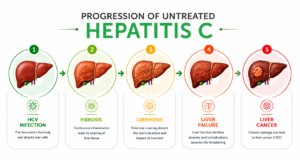
Approximately 15-20% of people with untreated chronic Hepatitis C develop cirrhosis over 20 years. Once cirrhosis develops, the risk of liver cancer increases to 1-3% per year. Patients with decompensated cirrhosis due to Hepatitis C are among the candidates for liver transplantation in India.
Hepatitis C and Liver Transplant: When Is It Needed?
The majority of Hepatitis C patients who receive timely DAA treatment will never need a liver transplant. However, a liver transplant may become necessary when:
- Hepatitis C has already caused decompensated cirrhosis
- The patient has developed end-stage liver disease
- Hepatitis C-related hepatocellular carcinoma (HCC)
In transplant candidates with active HCV infection, DAA therapy is given either before or after transplant depending on the clinical situation. Post-transplant HCV can now be cured with the same high success rates as in non-transplant patients.
Among the leading hepatologists in Gurgaon for Hepatitis C management and transplant care, Dr. Ankur Garg brings over 4,500 liver transplants of experience at Paras Health, Gurugram, including complex cases involving Hepatitis C-related cirrhosis and HCC
Hepatitis C Treatment Cost in India
Hepatitis C treatment costs in India, on average, range from Rs. 15,000 to Rs. 60,000 for a full DAA antiviral course. Diagnostic workup (HCV RNA, genotype, LFTs, FibroScan) adds approximately Rs. 8,000 to Rs. 20,000.
India offers some of the most affordable Hepatitis C treatment globally due to the widespread availability of generic DAA formulations.
For patients who have progressed to cirrhosis or liver failure, the average cost of liver transplant in India is Rs. 15 to 22 lakhs, with the full range running Rs. 15 to 25 lakhs depending on case complexity and post-transplant care.
For a personalised estimate, consult Dr. Ankur Garg at Paras Health in Gurugram.
Why Consult Dr. Ankur Garg for Hepatitis C Treatment in India?
For Hepatitis C treatment by a liver specialist in India, the right hepatology clinic makes a difference in outcomes, especially when liver damage has already occurred.
Dr. Ankur Garg practises at Paras Health, Gurugram, with associated centres in Panchkula and Patna, and leads a dedicated hepatology team with:
- 25+ years of experience in chronic liver disease, viral hepatitis, and complex liver transplantation
- 4,500+ liver transplants including Hepatitis C-related cirrhosis and liver cancer cases
- Full-spectrum care covering DAA therapy, cirrhosis management, HCC treatment, and liver transplantation under one team
- Advanced diagnostics including FibroScan, HCV RNA monitoring, and multidisciplinary tumour board reviews
Final Thoughts
Modern antiviral therapy has made Hepatitis C a highly curable condition when diagnosed and treated early. For patients seeking the best Hepatitis C treatment in India, early evaluation by an experienced liver specialist can help guide appropriate treatment and long-term liver care.

Dr. Ankur Garg's Medical Content Team
Dr. Ankur Garg’s medical content team specialises in creating accurate, clear, and patient-focused healthcare content. With strong clinical understanding and expertise in technical writing and SEO, the team translates complex medical information into reliable, accessible resources that support informed decisions and uphold Dr. Ankur Garg’s commitment to quality care.

 WhatsApp