
Liver Cirrhosis Diet Plan: Indian Food Chart for Compensated and Decompensated Stages
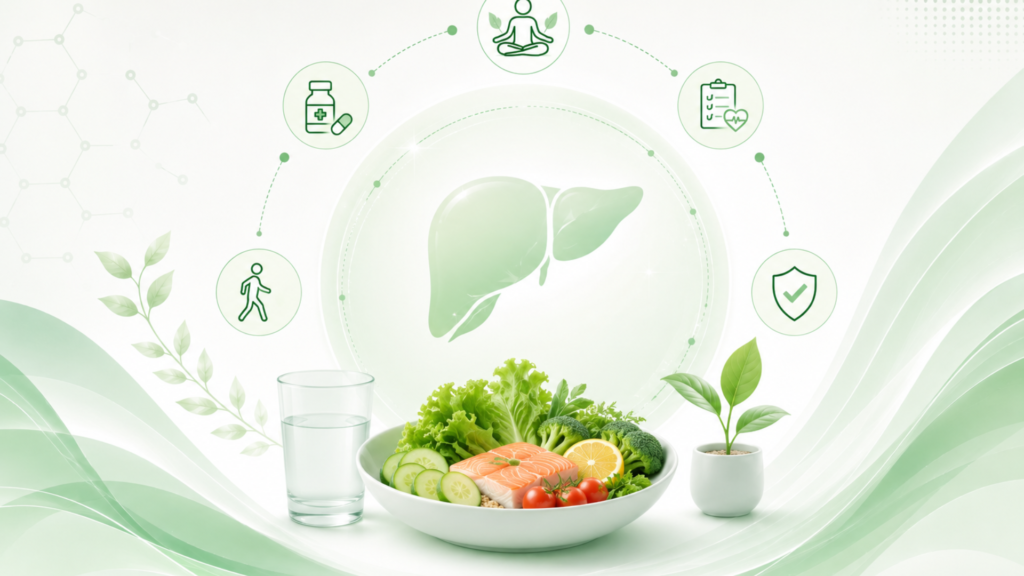
When the liver is damaged, what you eat directly affects how well it can still function. A liver cirrhosis diet plan is not just about restriction. It is about giving a compromised liver the best possible conditions to function.
This guide is written for Indian patients and families managing liver cirrhosis at home. It explains a practical liver cirrhosis diet plan for patients in both compensated and decompensated stages, covering what to eat, what to avoid, and how the diet changes with each stage.
Understand Your Stage: Compensated vs Decompensated Cirrhosis
Compensated cirrhosis means the liver is scarred but still managing to perform most of its functions. Many patients have no obvious symptoms at this stage, and the condition may only be detected through blood tests or imaging studies. The goal is to prevent further liver damage, preserve muscle mass, and maintain good nutrition.
Decompensated cirrhosis means the liver can no longer compensate for the damage. Complications such as ascites (fluid accumulation in the abdomen), jaundice, hepatic encephalopathy, or bleeding may develop.
At this stage, dietary management becomes more specific and often requires close medical supervision.
Knowing your cirrhosis stage is the starting point for any liver cirrhosis diet plan.
Why Diet Matters More Than Most Patients Realise
The liver plays a vital role in digestion, protein metabolism, glycogen storage, and detoxification. When cirrhosis develops, these functions become impaired.
Malnutrition affects a large proportion of patients with decompensated cirrhosis. At the same time, excessive sodium intake, poor nutritional intake, alcohol consumption, and unmanaged complications can accelerate disease progression.
Diet is not separate from treatment. It is an essential part of managing liver cirrhosis and maintaining quality of life.
Liver Cirrhosis Diet Plan: Compensated Stage
At this stage, the priority is adequate calories, sufficient protein intake, and the protection of the remaining healthy liver tissue.
1. Calories
Most patients require approximately 30-35 kcal per kilogram of body weight per day.
Many people unintentionally eat less due to reduced appetite, nausea, or early fullness. However, undernutrition can lead to rapid muscle loss.
2. Protein
Protein intake of approximately 1.2-1.5 g per kilogram of body weight per day is generally recommended.
Adequate protein helps preserve muscle mass and supports overall health.
Good Indian Protein Sources include moong dal, masoor dal, arhar dal, low fat curd, paneer in moderation, egg whites and fish such as rohu, pomfret, and surmai etc.
3. Carbohydrates
Choose complex carbohydrates such as rice, whole wheat roti, oats, poha, upma and dalia
Regular meals help maintain blood sugar levels and reduce the risk of prolonged fasting.
4. Fats
Moderate fat intake is usually acceptable unless there is evidence of fat malabsorption.
Preferred options include:
- Small amounts of ghee
- Mustard oil
- Groundnut oil
- Olive oil
Avoid:
- Vanaspati
- Dalda
- Deep-fried foods
5. Sodium
Even during compensated cirrhosis, limiting sodium intake may help reduce the risk of future fluid retention.
Best Foods for Liver Cirrhosis Patients
Many patients ask for a simple liver cirrhosis food list.
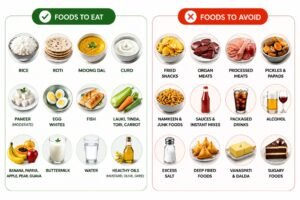
The following foods are generally well tolerated when prepared with minimal salt and oil:
Protein Sources
- Moong dal
- Masoor dal
- Low-fat curd
- Paneer in moderation
- Egg whites
- Fish
Whole Grains and Carbohydrates
- Rice
- Whole wheat roti
- Oats
- Poha
- Dalia
Vegetables
- Lauki
- Tinda
- Tori
- Parwal
- Carrot
- Cooked spinach
Fruits
- Banana
- Papaya
- Apple
- Pear
- Guava
These foods provide energy, protein, vitamins, and minerals while remaining relatively easy to digest.
Liver Cirrhosis Diet Plan: Decompensated Stage
Decompensated cirrhosis requires stricter dietary management and regular monitoring by a liver specialist.
1. Sodium Restriction (Critical)
If ascites is present, sodium restriction becomes essential.
Many patients are advised to limit sodium intake to approximately 1,500–2,000 mg per day depending on their clinical condition.
Rock salt, sea salt, sendha namak, and regular table salt all contain sodium. Patients should focus on limiting total sodium intake rather than switching to alternative salts.
Sodium restriction remains one of the most important aspects of a liver cirrhosis diet plan for patients with ascites.
2. Fluid Restriction
Not every patient requires fluid restriction.
However, if hyponatremia (low blood sodium levels) develops, doctors may recommend limiting fluid intake, often to around 1-1.5 liters per day.
The exact amount should be determined by your treating liver cirrhosis specialist.
3. Protein and Hepatic Encephalopathy
A common misconception is that patients with hepatic encephalopathy should stop eating protein.
Current evidence does not support routine protein restriction.
Most patients still require approximately 1.0–1.5 g protein per kilogram of body weight per day.
4. Zinc and micronutrients
Patients with cirrhosis may develop deficiencies of zinc and magnesium, vitamin A, D, E, and K
Zinc deficiency may contribute to hepatic encephalopathy in some patients.
Foods containing zinc include:
- Pumpkin seeds
- Sesame seeds
- Peas
- Legumes
Supplementation should only be undertaken strictly under medical supervision.
5. Small Frequent Meals
Patients with cirrhosis often experience early fullness and delayed gastric emptying.
Instead of three large meals, many patients tolerate:
- 5-6 smaller meals
- Regular snacks between meals
- A late-evening snack more comfortably.
Indian Food Chart: Decompensated Cirrhosis
| Category | Eat | Avoid |
| Grains | Plain rice, plain roti | Salted crackers, processed snacks |
| Protein | Moong dal, curd, egg whites, soft fish | Organ meats, processed meats |
| Vegetables | Lauki, tinda, parwal, boiled vegetables | Pickled vegetables, heavily salted foods |
| Fruits | Banana, papaya, apple | As advised if fluid or potassium restrictions apply |
| Salt | Restricted as advised by doctor | Table salt, excess sendha namak, sauces |
| Fluids | As prescribed by doctor | Alcohol, sugary sodas |
Foods to Avoid in Liver Cirrhosis
Patients frequently search for foods to avoid in liver cirrhosis.
The following foods can worsen complications or increase health risks.
- High-Sodium Foods
- Alcohol
- Processed and Fried Foods
- High-Risk Foods like raw shellfish, undercooked meat, and unpasteurized dairy products
- Unsupervised Supplements, including herbal remedies and medicines without medical advice
Sample Liver Cirrhosis Diet Chart (Indian Meal Plan)
The following liver cirrhosis meal plan is a general example and may need adjustment for diabetes, kidney disease, ascites, or other medical conditions.
| Time | Meal |
| 7:00 AM | Warm water and soaked almonds |
| 8:30 AM | Vegetable poha with curd |
| 11:00 AM | Papaya or apple |
| 1:00 PM | Rice, moong dal, lauki sabzi |
| 4:00 PM | Buttermilk (if permitted) |
| 6:00 PM | Roasted chana or fruit |
| 8:00 PM | Roti, dal, cooked vegetables |
| 10:00 PM | Milk or doctor-recommended bedtime snack |
Proper liver cirrhosis diet chart provides regular energy intake and helps reduce muscle wasting.
Key Takeawys
A liver cirrhosis diet plan is one of the most important parts of long-term disease management. Adequate calories, sufficient protein, sodium control, alcohol avoidance, and regular meals can help reduce complications.
However, diet alone cannot reverse liver scarring. Patients with advanced liver disease, recurrent ascites, hepatic encephalopathy, or other complications may require specialised treatment and assessment for liver transplantation.
If you have been diagnosed with liver cirrhosis or are experiencing symptoms suggestive of advanced liver disease, consultation with an experienced liver specialist can help determine the most appropriate treatment plan for your specific liver condition.

 WhatsApp