
Organ Donation in India: A Gift That Saves Lives
A single decision to become an organ donor in India can save up to 8 lives through organ transplant surgery. Join LivCure - By Dr. Ankur Garg in promoting organ donation awareness, donor registration, and life-saving transplants.
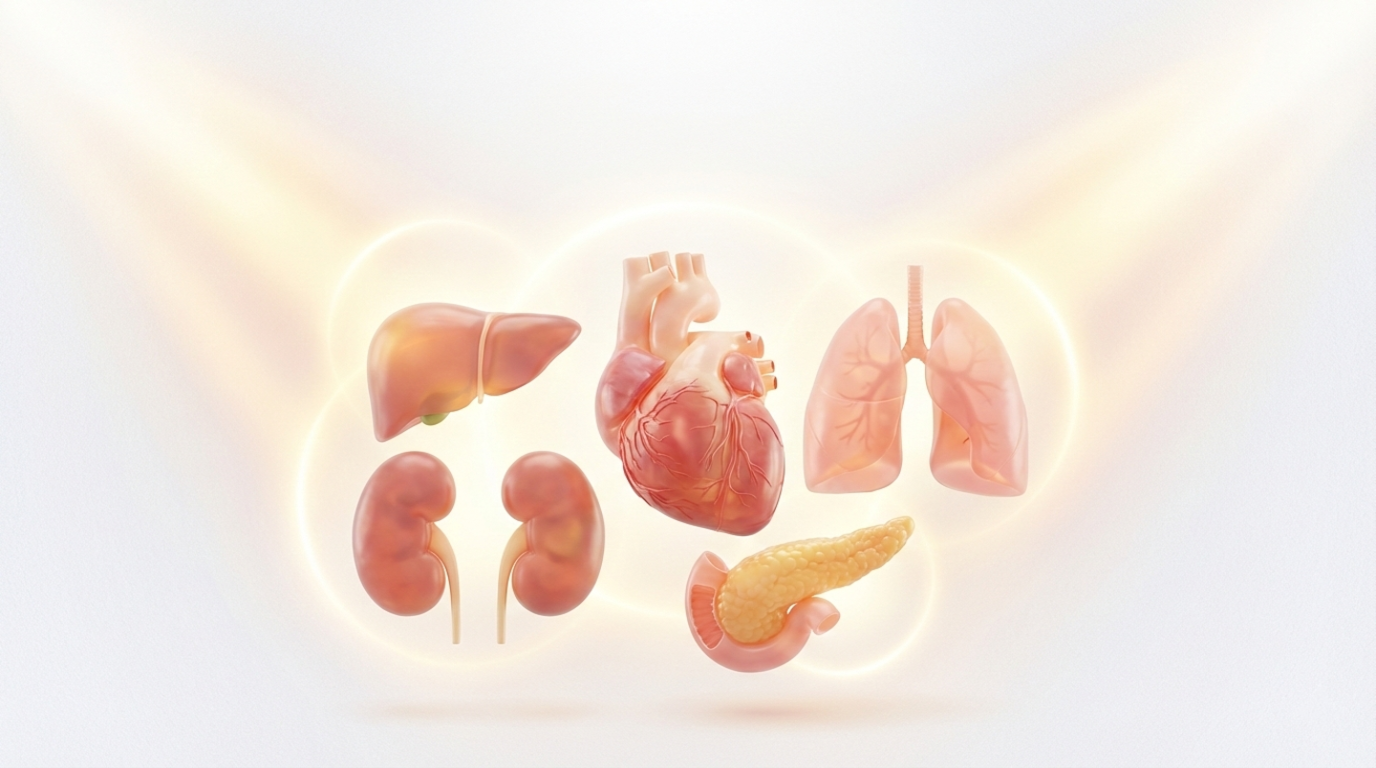
Why Organ Donation is Important in India
Every year, thousands of patients suffer from end-stage organ failure, including liver, kidney, heart, and lung diseases. For many, organ transplantation is the only treatment option. However, due to a shortage of donors, many patients lose their lives while waiting.
By choosing organ donation, you can:
- Save multiple lives
- Improve quality of life for recipients
- Support life-saving transplant programs in India
- Contribute to a healthier society
How Organ Donation Transforms Lives in India
Every year, thousands of patients with end-stage organ failure depend on organ transplantation in India. Organ donation offers a second chance at life, restoring health, hope, and survival.
Liver
A liver transplant in India is a life-saving treatment for patients with liver failure, cirrhosis, or liver cancer. One donor liver can save two lives, making liver donation highly impactful.
Kidney
Kidney transplant surgery eliminates the need for dialysis and significantly improves the quality of life for patients with end-stage kidney disease.
Heart
A heart transplant is critical for patients with advanced heart failure when medical treatment is no longer effective.
Lung
Lung transplant surgery helps patients suffering from COPD, pulmonary fibrosis, and severe respiratory diseases.
Pancreas & Intestines
Pancreas transplant supports Type 1 diabetes patients, while intestinal transplant restores digestive function in severe cases.
Enhancing Quality of Life
"Organ donation is not just about saving lives; it’s about restoring life. It enables patients to live longer, regain independence, return to their families, and improve long-term survival after organ transplant surgery."
Who Can Become an Organ Donor in India?
Understanding eligibility and types of organ donation in India
Eligibility Overview
Most individuals can register as organ donors, regardless of age or prior medical history. Final suitability for organ or tissue donation is determined by medical specialists at the time of death, based on strict clinical and safety criteria.
Even people living with conditions such as diabetes, hypertension, or other chronic illnesses may still be eligible to donate certain organs or tissues. Each case is carefully evaluated to ensure safe and ethical transplantation.
In India, any adult aged 18 years or older can formally pledge to become an organ donor. For individuals below 18 years of age, parental or legal guardian consent is required.
Every Healthy Individual Is a Potential Donor
A single decision can help save multiple lives through an organ transplant in India. If you are healthy, you can make a life-saving difference.
Myths vs Facts About Organ Donation in India
Clear information helps build trust. Here are some common misconceptions and the facts behind them:
cancel Myth
“If I register as a donor, doctors won’t work as hard to save my life.”
check_circle Fact
Your medical team’s first and only priority is to save your life. The doctors treating you are completely separate from the transplant team.
cancel Myth
“Organ donation is against my religion.”
check_circle Fact
Most major religions support organ donation as an act of compassion, charity, and generosity toward others.
cancel Myth
“I’m too old or too sick to donate.”
check_circle Fact
There is no fixed age limit for organ donation. Eligibility is determined by medical professionals at the time of donation based on organ health, not age alone.
cancel Myth
“Rich or famous people receive organs faster.”
check_circle Fact
Organ allocation is based strictly on medical urgency, blood group, tissue compatibility, and waiting time; never on wealth or social status.
cancel Myth
“My family will be charged for organ donation.”
check_circle Fact
Organ donation is a gift. Families are never responsible for costs related to organ recovery or transplantation procedures.
cancel Myth
“Organ donation disfigures the body.”
check_circle Fact
Organ recovery is performed with surgical precision and respect. The body is treated with dignity, and open-casket funerals remain possible.
cancel Myth
“Brain death is the same as a coma.”
check_circle Fact
Brain death is irreversible and legally recognized as death. A coma, in contrast, is a condition from which recovery may still be possible.
cancel Myth
“The recipient will know my identity.”
check_circle Fact
Confidentiality is strictly maintained. Identities remain private unless both families mutually agree to share information.
How Organ Donation Works in India
A simple, structured process of organ donation and transplant
1. Register
Sign up online or at a LivCure center to express your intent.
2. Inform Family
Discuss your decision with your loved ones to ensure your wishes are honored.
3. Assessment
In the event of eligibility, medical experts assess organ health.
4. Life Gifted
Organs are transplanted to waitlisted patients, saving lives.
Watch: Importance of Organ Donation in India
Learn how organ donation can save lives and improve transplant outcomes in India.
FAQs
Can I donate my organs after death in India? expand_more
Yes, you can donate your organs after death through deceased organ donation in India. Organs are retrieved after brain death, with family consent, and used for life-saving transplants.
How do I register as an organ donor in India online? expand_more
You can complete organ donor registration online in India through hospital programs or national registries. After registering, it is important to inform your family about your decision.
What is brain death, and why is it important for organ donation? expand_more
Brain death is the complete and irreversible loss of brain function and is legally recognized as death in India. It is crucial for organ donation, as organs remain viable for transplantation only after brain death.
Is organ donation painful for the donor? expand_more
No, organ donation is not painful. In deceased donation, the donor is already declared brain dead. In living donation, the procedure is done under anesthesia with proper medical care.
Can my family refuse organ donation even if I am registered? expand_more
Yes, in India, family consent is mandatory for organ donation after death. That’s why it is important to discuss your decision with your family in advance.
What is the cost of organ transplant in India? expand_more
The cost of organ transplant in India varies depending on the organ:
Liver transplant: ₹18–25 lakhs
Kidney transplant: ₹5–10 lakhs
Heart/Lung transplant: ₹20+ lakhs
Many hospitals and schemes offer financial support.
How long does it take to get an organ transplant in India? expand_more
Waiting time for an organ transplant in India depends on:
Blood group
Organ availability
Medical urgency
Waiting list
It can range from weeks to months or longer.
Can I donate organs if I have diabetes or high blood pressure? expand_more
Yes, many people with diabetes or hypertension can still donate organs, depending on medical evaluation at the time of donation.
Which organs can be donated while alive? expand_more
In living organ donation, a person can donate:
One kidney
Part of the liver
Part of the lung (in rare cases)
The body can function normally after donation.
Can foreigners get organ transplant in India? expand_more
Yes, India is a leading destination for medical tourism and organ transplant, but strict legal approvals are required.
 WhatsApp